Introduction
Think of wedding photos like a deep breath before the vows. When you focus on finding a reassuring wedding photographer, the camera stops feeling like a spotlight and starts feeling like a friend. The right person helps you feel safe, seen, and calm, so your pictures look and feel like you.
Many couples feel anxious about photos. Some worry about posing. Others fear being the centre of attention. None of that means you must settle for stiff smiles. With a plan for finding a reassuring wedding photographer, you can have natural, unposed images and still feel relaxed the whole day.
I photograph nervous couples in Grimsby, Cleethorpes, Hull, Lincoln, Scunthorpe, and across Lincolnshire, and I’ve seen this change again and again. When comfort comes first, real emotion shows up. In this guide, I’ll walk you through simple steps for finding a reassuring wedding photographer who prioritises your comfort—style choices, the power of connection, research that builds confidence, how an engagement session lowers stress, and the questions that bring peace of mind. Your wedding photography should support your day, not add stress to it.
“A good photograph is knowing where to stand.” — Ansel Adams
Key Takeaways
- Start by naming your comfort zone. Notice what makes you tense. Match styles to how you want to feel.
- Prioritise personal connection over perfect portfolios. Feeling safe matters most. A calm presence leads to real smiles.
- Review full galleries, not just highlights. Look for consistency and story. Ask for different lighting examples.
- Book an engagement session to build confidence. Practice eases nerves fast. Proof replaces worry with trust.
- Ask clear questions about approach and backup plans. Prepared pros welcome detail. Answers cut through “what if” fears.
- Keep communication steady before the day. Plan a timeline together. Clarity removes last-minute stress.
Understanding Your Photography Comfort Zone and Style Preferences
Before you look at prices and packages, start with comfort. Self-awareness is the base for finding a reassuring wedding photographer, because comfort shapes both your experience and your images. When you know what triggers nerves, you can choose a style and person who lower them.
Documentary vs. Editorial: Which Reduces Your Anxiety?
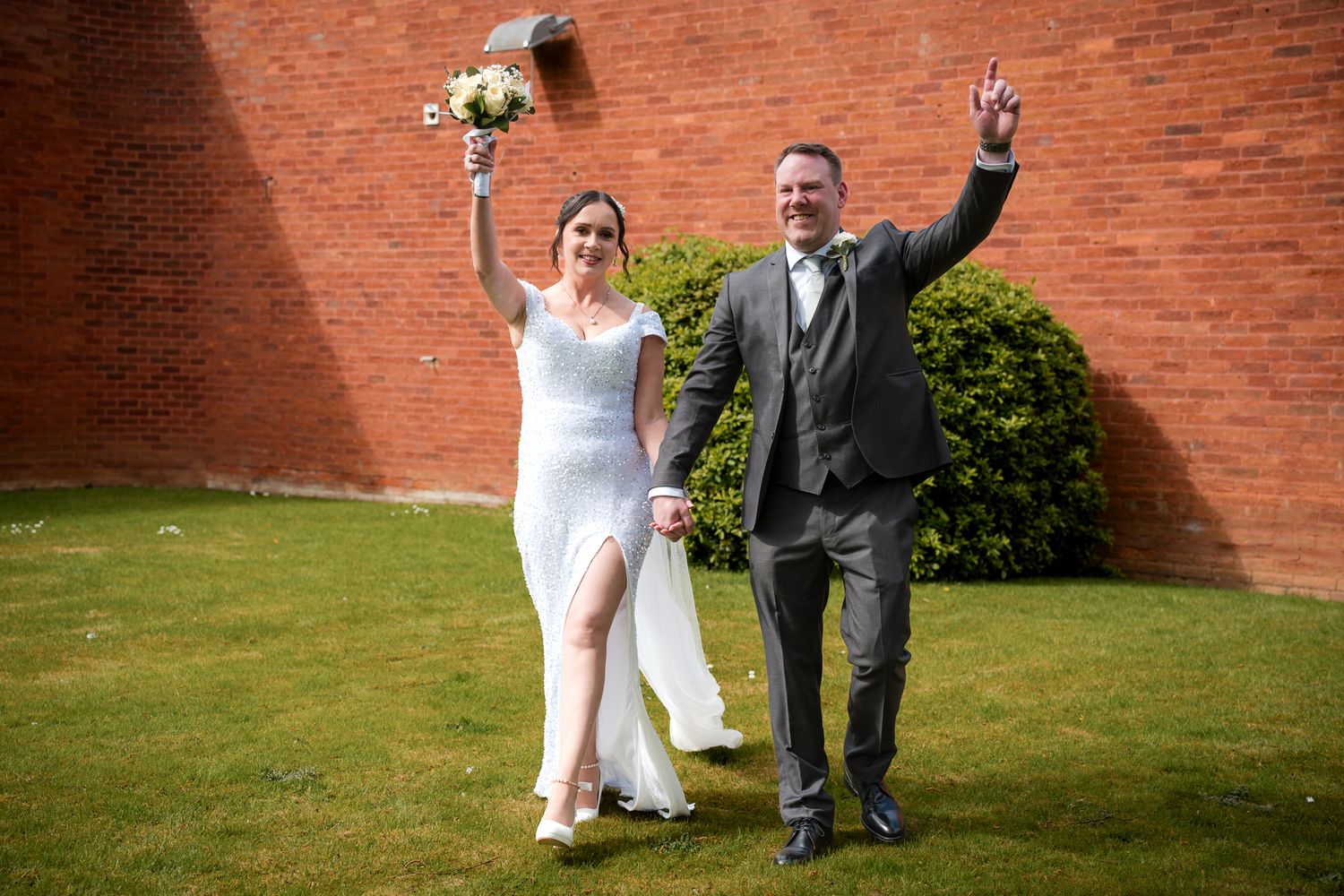
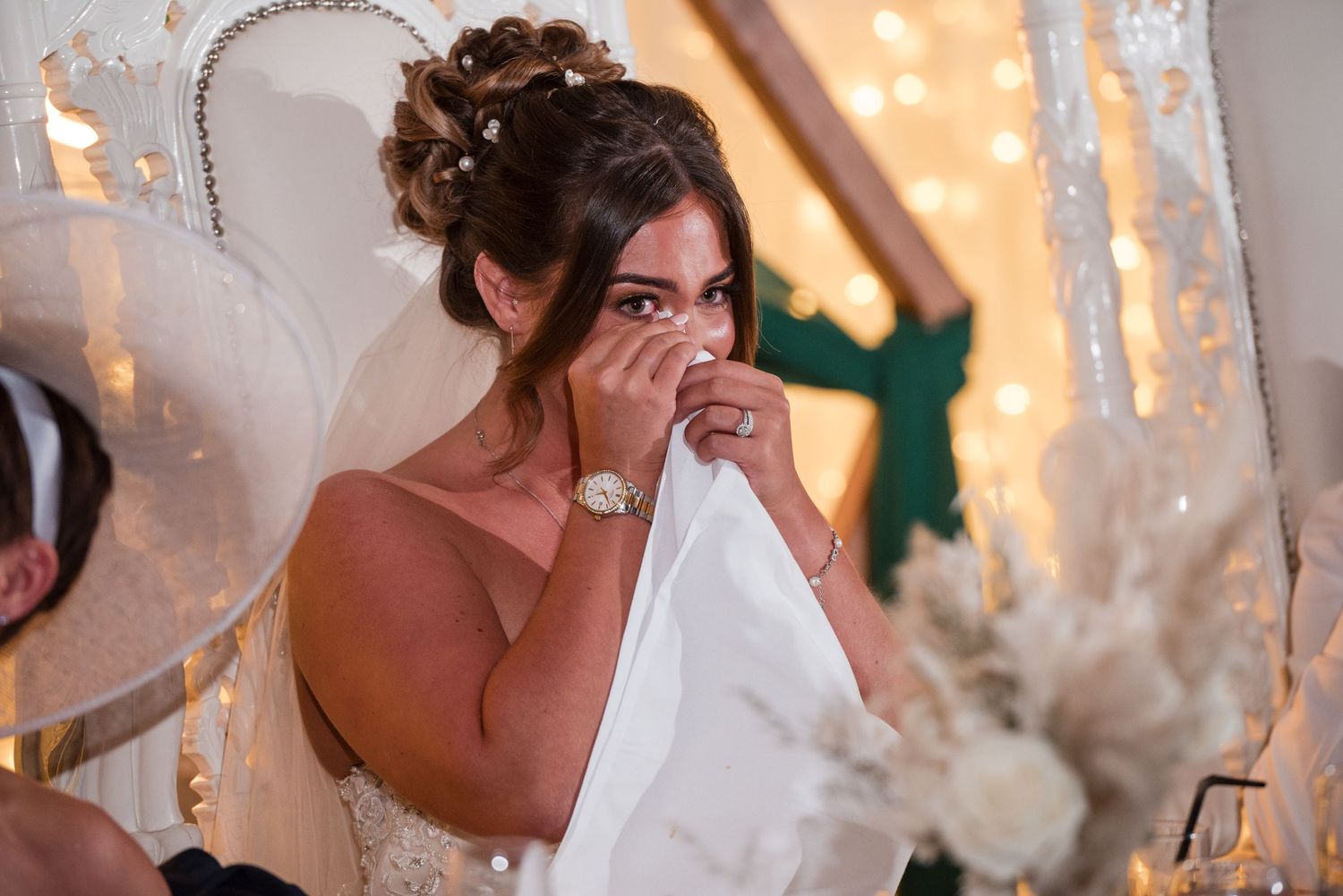
Documentary wedding photography, also called reportage, favours real moments over posed scenes. I guide as needed, then step back and let your day move naturally. This gives camera-shy couples space to breathe. You can forget about angles and prompts and just be with each other.
Editorial photography draws from fashion and requires more direction. The photographer designs scenes and positions you with clear instructions. This can look striking, but it asks you to participate more, which may raise stress if you already dislike posing. Some couples love that creative control. Others feel pressure.
For anxious couples, documentary is often the stress-reducer. It lowers performance anxiety because there is no performance. Many photographers, including me at Gary Stafford Photography, blend both. I keep the day natural, then offer gentle suggestions during portraits to help you look like yourselves, at your best.
Consider this quick comparison to sense your fit:
Documentary can help if you:Editorial can help if you: Prefer candid moments over posed photosEnjoy clear direction and crafted scenesWant minimal direction and a quiet presenceWant statement portraits with stylised posingFeel tense when all eyes are on youLike a more guided experienceLight and Airy vs. Dark and Moody: Finding Your Visual Comfort
Editing style sets the mood of your gallery.
Light and airy: bright, soft, romantic; many couples describe it as calm and dreamy.
Dark and moody: rich tones, deeper shadows, dramatic feel with added emotional weight.
True-to-life colour: natural, timeless colour that reflects the day as it appeared.
Respect each photographer’s signature style. If you love one look, hire the photographer who already delivers it.
Use Pinterest as a quick way to sense your visual comfort. Save images that feel like “you,” then notice patterns. When you review full wedding galleries, check that the style stays consistent, from morning light to evening flash. Consistency signals professionalism and reliable results.
Prioritising Personal Connection Over Portfolio Perfection
A great portfolio may draw you in, but your comfort with the person behind the camera matters more. You will spend 8 to 10 hours with your photographer on your wedding day. That is a lot of time if you already feel camera-shy. When you feel safe with them, your photos show it.
Why Your Photographer's Personality Matters More Than You Think
A reassuring photographer reads the room. They notice when your shoulders rise and when your breathing quickens, then slow the pace and ground you with simple guidance. Anxiety shows in photos—tight smiles, tense hands, stiff posture. Ease shows too—soft eyes, natural movement, and real laughter.
Match both look and energy. Some photographers are calm observers. Others bring high energy to the dance floor. Some give clear, step-by-step direction. As “The Anti-Stress Wedding Photographer,” I built my approach for nervous couples. I use gentle, active guidance and keep prompts light, so you never feel put on the spot. The right personality match makes you feel supported, never pushed.
“A thing that you see in my pictures is that I was not afraid to fall in love with these people.” — Annie Leibovitz
The Essential Consultation Call: Your First Real Connection
Emails can’t show tone or presence. A video call or in-person chat helps you sense whether you feel safe with this person. Notice how they listen. Do they validate your concerns and speak in clear, simple terms, or do they brush past nerves?
Ask how they work with anxious couples. Share specific worries, like hating posed photos or dreading group shots, and listen for practical answers. A reassuring photographer will explain how they guide without stiff posing, how they keep you moving, and how they create space for real moments. Trust your gut. If you feel calmer after the call, keep going.
What to notice on the call:
Do they ask follow-up questions about your concerns?
Can they describe their approach in everyday language?
Do you feel calmer by the end of the chat?
Research Strategies That Build Confidence in Your Choice
Good research lowers “what if” anxiety. Instead of guessing, you gather proof. When you collect a few strong signals—full galleries, real reviews, and clear processes—you build confidence. That confidence follows you into the day.
Moving Beyond the Instagram Highlight Reel
Instagram shows a highlight reel. It rarely shows a full wedding from bright morning to dark dance floor. Don’t pick based on popularity or follower counts. Ask to see multiple full galleries from different seasons and venues. Study how the style holds up across the day.
When reviewing galleries, check for:
Consistent colour and exposure from prep to party
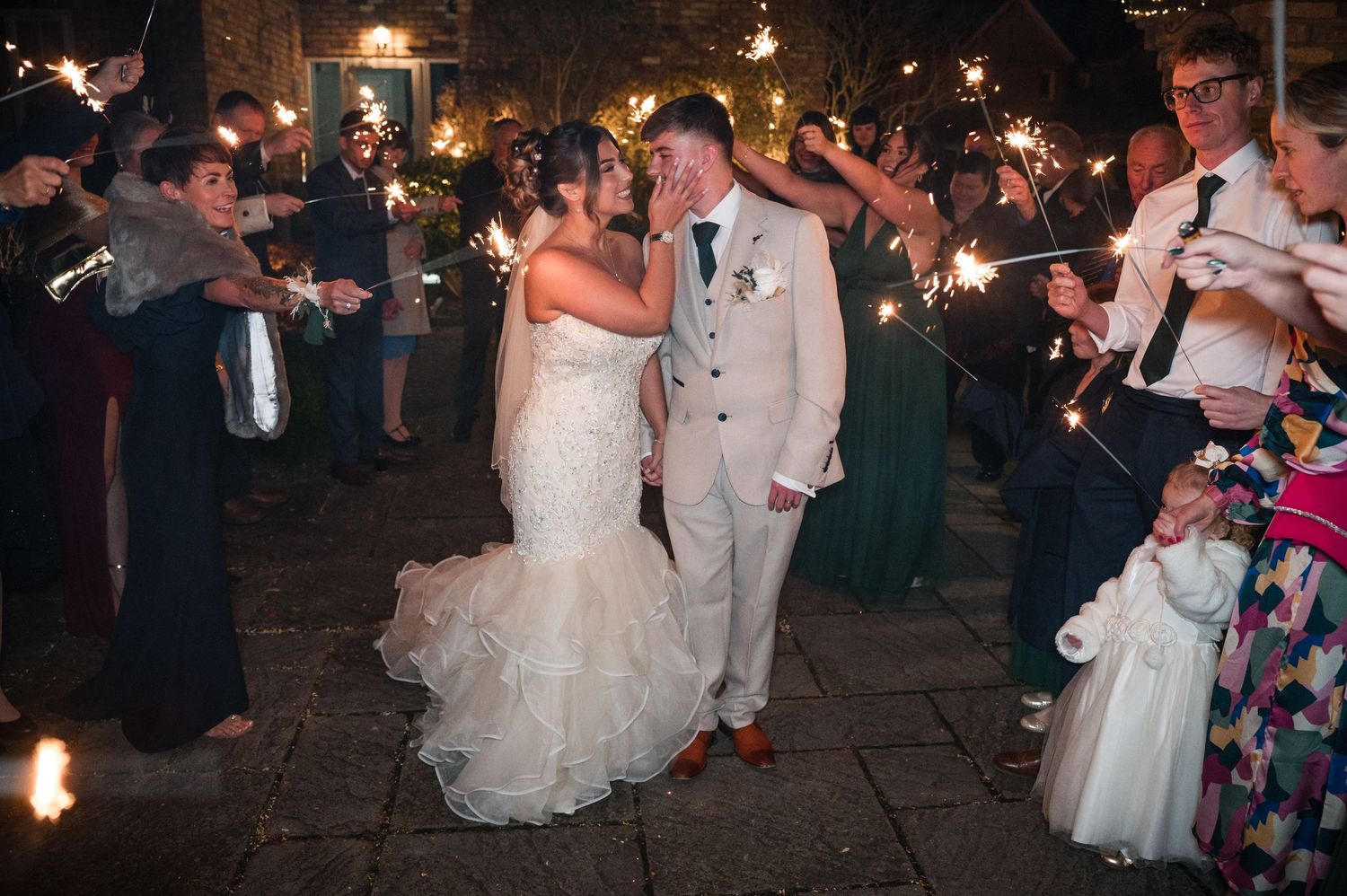
Clean handling of noon sun, dim rooms, and late-night flash
Coverage of small, candid moments as well as group photos
Steady storytelling that feels like the couple’s day, not a photoshoot
Clear, natural skin tones in different lighting
Transparency in sharing full work shows confidence and care for your decision.
Client Testimonials: The Nervous Couple's Best Research Tool
Reviews reveal the experience. Look on Google, the photographer’s website, Facebook, The Knot, and Zola. Read beyond “beautiful photos.” Hunt for phrases like “made us feel comfortable,” “calming presence,” “we forgot the camera,” and “so easy to work with.”
Look for notes on communication and reliability. Did they arrive early, keep the day smooth, and deliver on time? Reviews from other nervous couples carry extra weight because they mirror your needs. At Gary Stafford Photography, I often hear “we relaxed within minutes” and “it felt like having a trusted friend.” Consistent themes across many reviews give the strongest reassurance. If a photographer offers references, reach out and ask honest questions.
The Engagement Session: Your Anxiety-Reducing Trial Run
An engagement session is the best stress test you can take. Think of it as practice that turns nerves into confidence. You learn what feels natural, see how your photographer guides you, and get proof that you will love your photos.
Building Camera Confidence in a Low-Pressure Environment
With no wedding-day timeline, you can slow down and breathe. Most couples arrive a bit tense, then relax within minutes once they see how simple the process feels. You learn which prompts feel good and which ones feel awkward, so we skip the awkward ones later.
That early practice removes fear of the unknown. By the end, you move more freely and smile without trying. With my gentle guidance approach, I keep you focused on each other, not the camera, so confidence grows step by step.
Experiencing Your Photographer's Working Style Firsthand
The session shows you exactly how your photographer works. You hear the tone of their voice, feel the pace, and notice how they respond if you need a moment. You watch ideas turn into images right in front of you.
This firsthand experience confirms your choice with real evidence. It also builds rapport. On the wedding day, the photographer feels like a trusted friend, not a stranger with a camera.
Your Preview of Wedding Day Results
Soon after, you receive a gallery with the same style you’ll see on your wedding day. When you love those images, “what if” worries fade. Excitement replaces doubt because you know what to expect and what you’ll receive.
“Photography takes an instant out of time, holding life still.” — Dorothea Lange
What you gain from a session:
Personal comfort with prompts and gentle direction
Proof of style, consistency, and editing
A stronger bond with your photographer
Confidence that carries into the wedding day
Essential Questions That Provide Complete Peace of Mind
Prepared couples ask great questions. Professional photographers expect this and welcome it. Clear answers now remove stress later. As you go through these topics, notice how the photographer responds. Calm, confident answers signal a steady hand.
Questions About Their Approach With Nervous Couples
How do you work with couples who feel uncomfortable being photographed?
What do you do to help camera-shy couples relax?
Can you describe how you give direction without stiff posing?
How do you capture real moments when people sense the camera?
A reassuring photographer will share specific, practiced methods, not vague promises. I explain how I keep prompts light, give micro-cues for posture, and move my position so you don’t feel watched. You should hear steps that sound practical and kind.
Critical Contingency and Backup Questions
What happens if you become ill or have an emergency on our wedding day?
Do you have backup equipment (multiple camera bodies, lenses, batteries, memory cards)?
Do you work with a second shooter if needed?
Do you have liability insurance (often required by venues)?
Professionals answer these questions without defensiveness. Prepared systems calm real fears and protect your day.
Timeline and Deliverable Questions
How long until we receive sneak peeks and the full gallery?
How will photos be delivered and what are our usage rights?
Approximately how many edited photos should we expect?
Can we request prints, albums, or parent albums later?
Read the contract carefully so expectations match reality and timing never surprises you.
The Power of Ongoing Communication and Collaborative Planning
The relationship does not end when you sign the contract. In many ways, it begins there. Steady communication builds trust, clears up small worries, and turns a hired vendor into a steady partner who knows your priorities.
Creating Your Photography Timeline Together
A simple, thoughtful timeline prevents rushed moments and supports the day you want. We map out:
Getting ready details and first looks
The aisle moment and ceremony cues
Family groups with buffer time
Couple portraits when light is kind
Reception highlights and dance floor coverage
I build in buffer time so nothing feels hurried and you can breathe between events. This is when I ask about your must-have moments, like a photo with an elderly grandparent or heirloom details. Clear timing avoids confusion, gathers the right people at the right time, and keeps the day calm. When a photographer listens and adapts, you feel seen and cared for.
From Vendor to Trusted Wedding Day Partner
Regular check-ins create familiarity. You know my voice, pace, and plan, and I know what matters most to you. That comfort is priceless when nerves rise for a moment.
On the day, I act as your advocate. I guide gently, protect quiet moments, and keep group photos smooth. Many couples tell me it felt like a friend who had their back. That is the goal at Gary Stafford Photography—the calm in the room, so you can relax and enjoy.
Red Flags to Watch For (And Green Flags to Celebrate)
Your instincts are valuable. If something feels off, pay attention. Keep an eye out for warning signs and celebrate the positive signals that tell you you’re in safe hands.
Warning Signs of an Unreassuring Photographer
Slow or inconsistent replies that leave you guessing
Refusal to share full wedding galleries
Defensive reactions to reasonable questions
Pressure to book quickly with vague contract terms
No clear backup plan for illness or emergencies
Dismissive attitude toward your anxiety or preferences
Very few or no public reviews
If any of these show up, keep looking and protect your peace.
Green Flags of a Truly Reassuring Professional
Prompt, warm, and steady communication
Proactive answers to common worries
Multiple full galleries readily shared
Clear contingency plans and backup equipment
Reviews that mention comfort, calm, and ease
Simple, clear explanations of approach and process
A style and presence that make you feel relaxed—like I aim to provide at Gary Stafford Photography
Conclusion
Beautiful wedding photos do not require big poses or perfect performances. They come from comfort, connection, and care. When you focus on finding a reassuring wedding photographer, you choose someone who values your ease as much as the image. That choice changes the whole day.
Being camera-shy does not mean you must hide or fake it. With the right guide, you can relax, laugh, and move like yourself, and your photos will show real love rather than staged scenes. Trust the steps here—know your comfort zone, value the personal connection, review full proof, invest in an engagement session, and ask clear questions.
If you are in Grimsby, Cleethorpes, Hull, Lincoln, Scunthorpe, or anywhere in Lincolnshire, I’d love to help as your Anti-Stress Wedding Photographer. My calm, documentary approach and gentle guidance are built for nervous couples. Your wedding day can feel peaceful and joyful, and your gallery can look like you at your best.
“The best thing about a picture is that it never changes, even when the people in it do.” — Andy Warhol
FAQs
Question: How Do I Know If a Photographer Is Experienced With Nervous Couples?
Ask directly during your consultation and listen for specific steps, not vague comfort lines. Check their website and social feeds for language about camera-shy clients. Request to speak with past couples who called themselves nervous. Share your concerns and notice how they respond in the moment. Look for a process designed for comfort. Specialists like Gary Stafford Photography centre this from first call to final gallery.
Question: Is an Engagement Session Really Necessary If I'm on a Tight Budget?
Treat it as an investment in calm. Confidence on the wedding day often improves photos more than extra décor or add-ons. One relaxed session can erase a lot of fear. Many photographers include it in packages, or offer it at a favourable rate. For anxious couples, the return in comfort and trust is hard to beat.
Question: What If I Still Feel Awkward During the Engagement Session?
That first ten minutes can feel odd for almost everyone. Most couples loosen up as they see how simple the cues feel. That reaction is the point—it shows whether your photographer can lower your nerves. Tell them how you feel so they can adjust pace and prompts. Odds are high you’ll relax more than you expect.
Question: How Can I Communicate My Anxiety to My Photographer Without Sounding Difficult?
A good photographer welcomes this. Try words like, “We feel most comfortable when we keep things candid,” or “We prefer simple prompts over big poses.” Clear preferences help your photographer serve you better. A reassuring pro will validate your feelings and outline practical steps. Honest talk prevents surprises and builds trust.
Question: What's the Difference Between a Documentary Photographer and a Photojournalist?
In weddings, people often use the terms the same way. Both focus on real, unposed moments and light direction. Both photographers move with the day rather than staging every scene. The individual’s style matters more than the label. Ask each photographer how they work from morning to night.
Question: Should I Tell My Photographer About Specific Moments or People That Make Me Anxious?
Yes, please share. Family photo tension, worries about the first dance, or stress during prep are helpful details. With that insight, your photographer can plan strategies and position themselves quietly when needed. They can guide group photos with care and keep things smooth. This turns them into your advocate, not just your photographer.
Question: How Do I Know If a Photographer's Style Will Look Good at My Specific Venue?
Ask if they’ve worked there, or at similar venues. Request full wedding galleries that match your setup—indoor barns, outdoor gardens, modern hotels, and so on. Skilled photographers adapt to any room and any light. Handling tricky lighting separates pros from hobbyists. Full galleries are your best proof of range and versatility.